
Are you ready for a sustainable journey? We developed this AR experience where you can have fun driving through Switzerland while learning about BMW and its collective work with Sustainable Switzerland.
AR
Filters, try-ons, games, web experiences — we build Augmented Reality that lets people play with your brand, not just scroll past it.
Projects



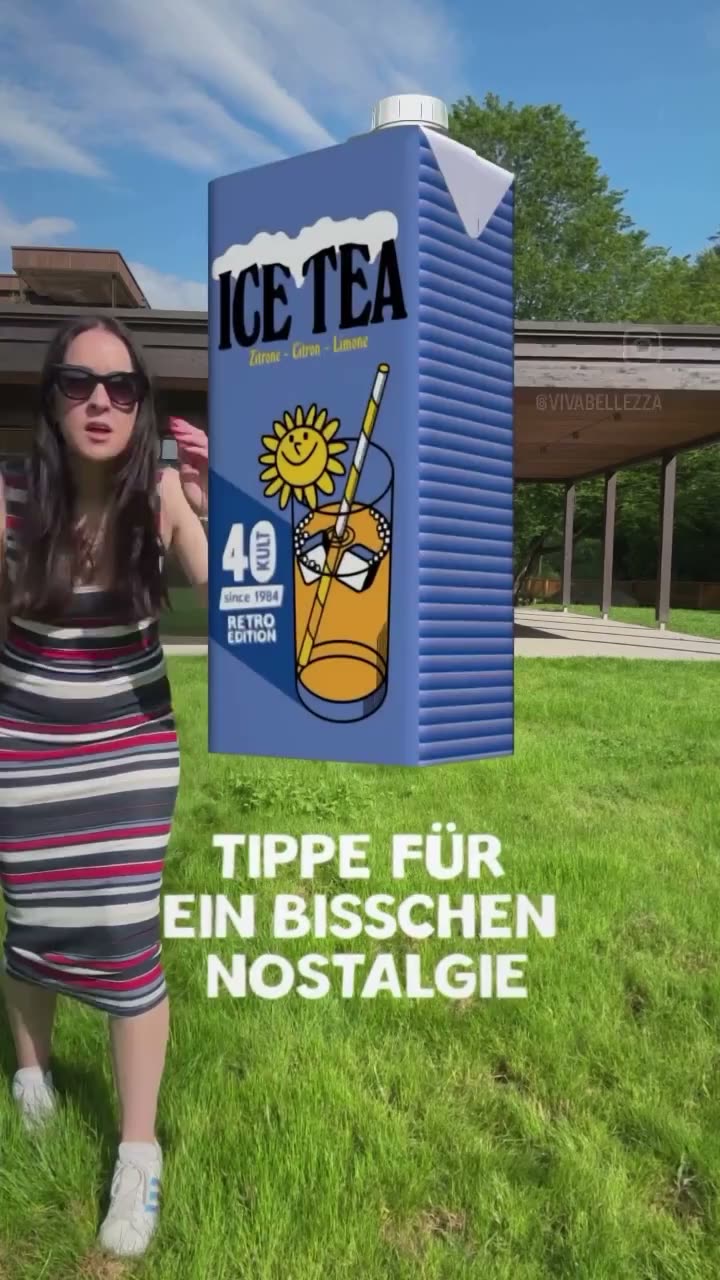


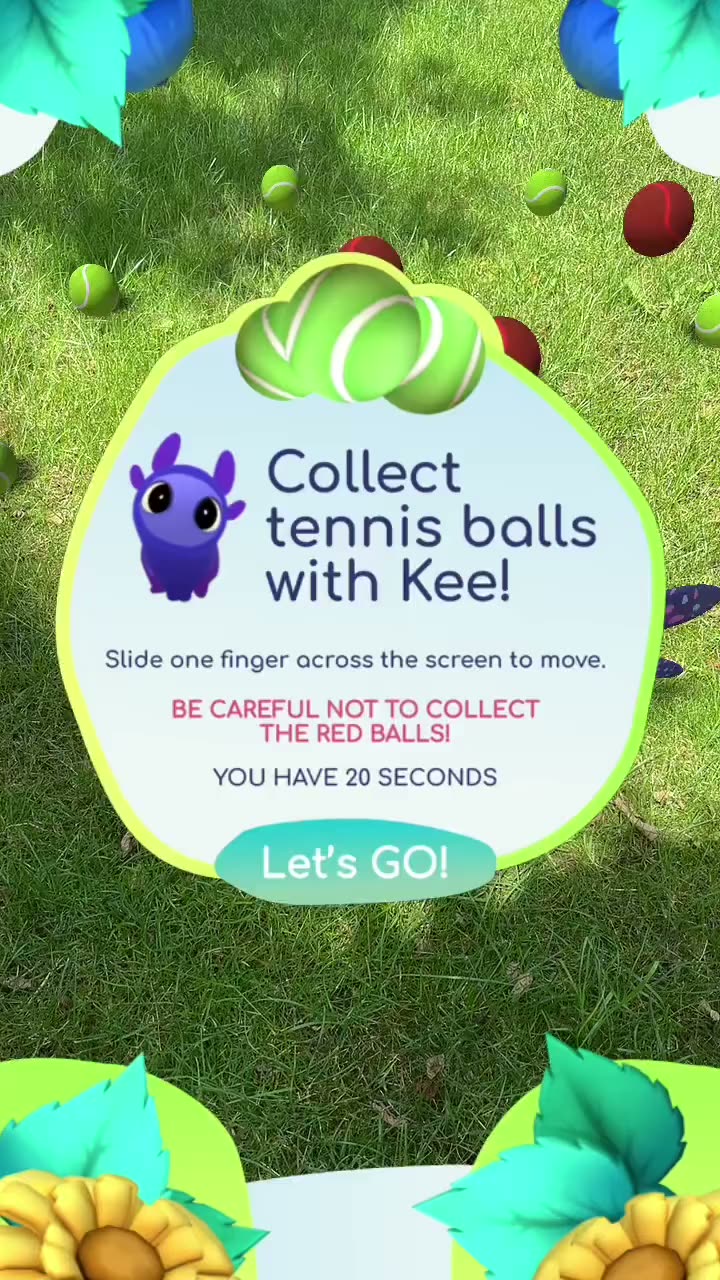

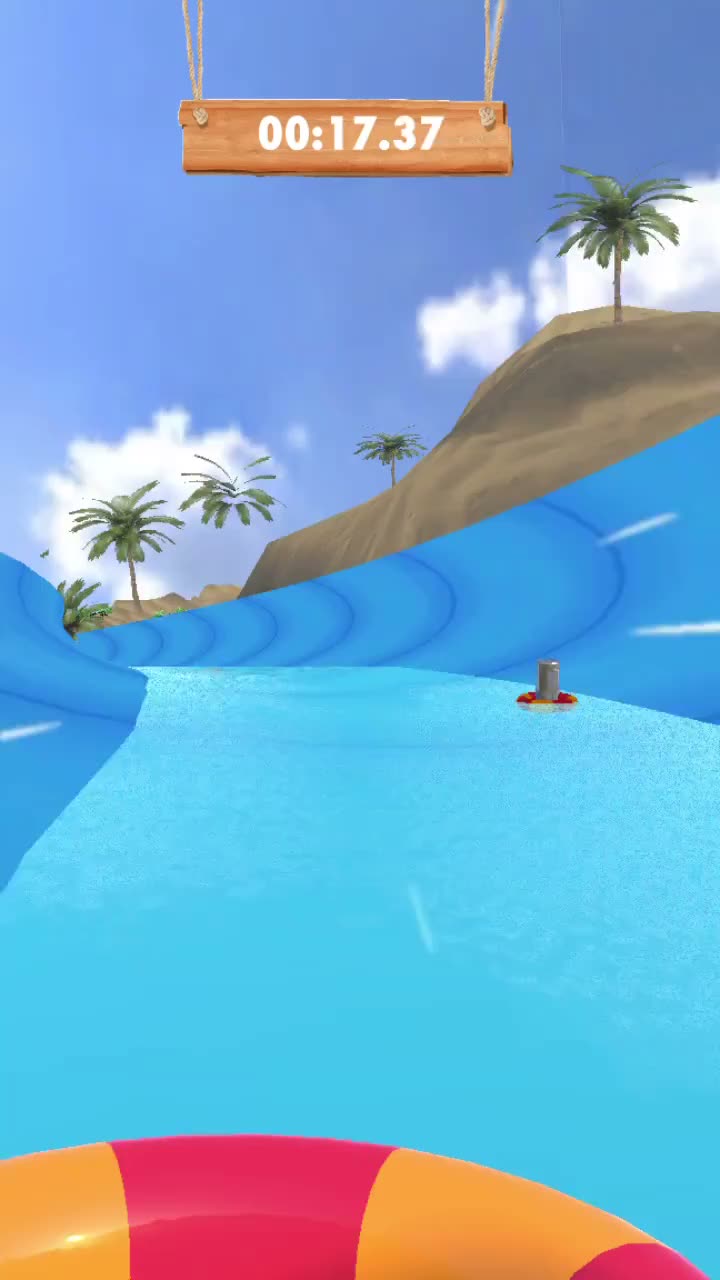
Showing 9 of 11
FAQ
AR — questions we get asked
What is augmented reality marketing?
Augmented reality marketing uses digital content to create interactive experiences that are connected to the real world. Instead of simply watching a video, users can use their smartphone camera to interact with 3D objects, products, characters or other digital elements in their surroundings. AR can be delivered through platforms such as TikTok and Snapchat, or through WebAR, which runs directly in a mobile browser without requiring a dedicated app. This makes AR useful for everything from branded social media effects and interactive product experiences to campaigns connected to physical locations, packaging, events or printed materials.
What can AR be used for in marketing?
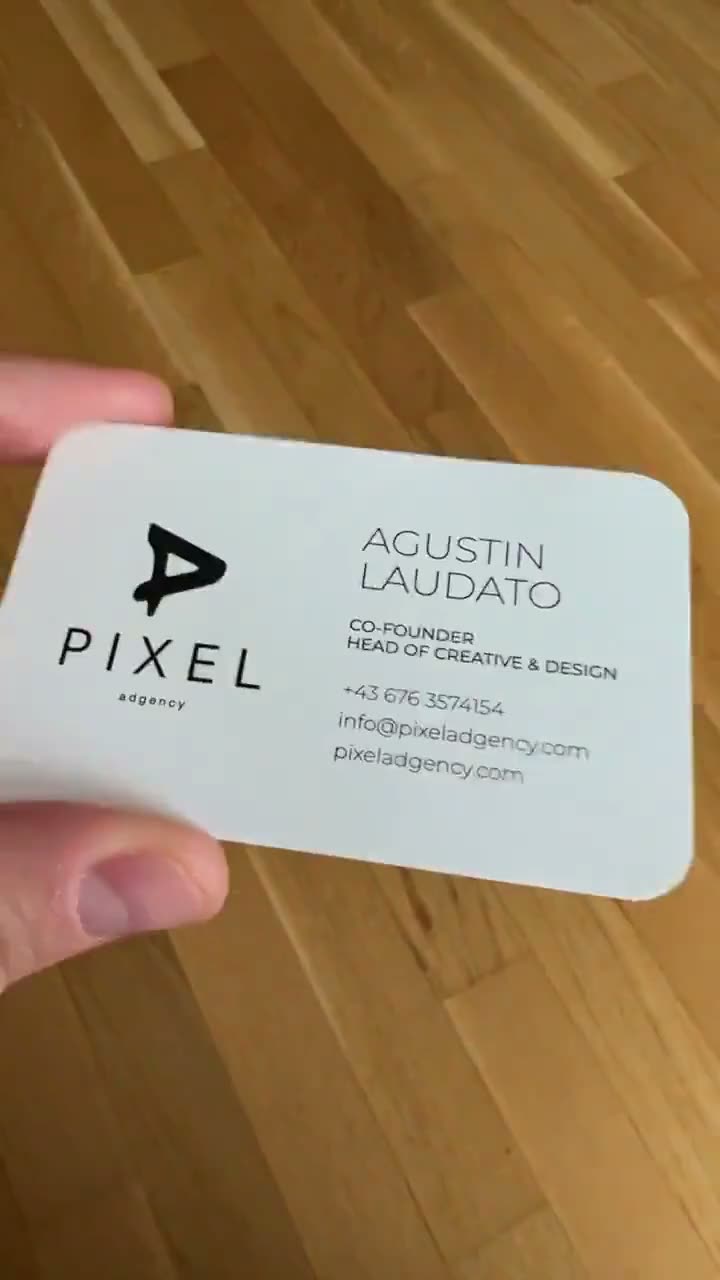
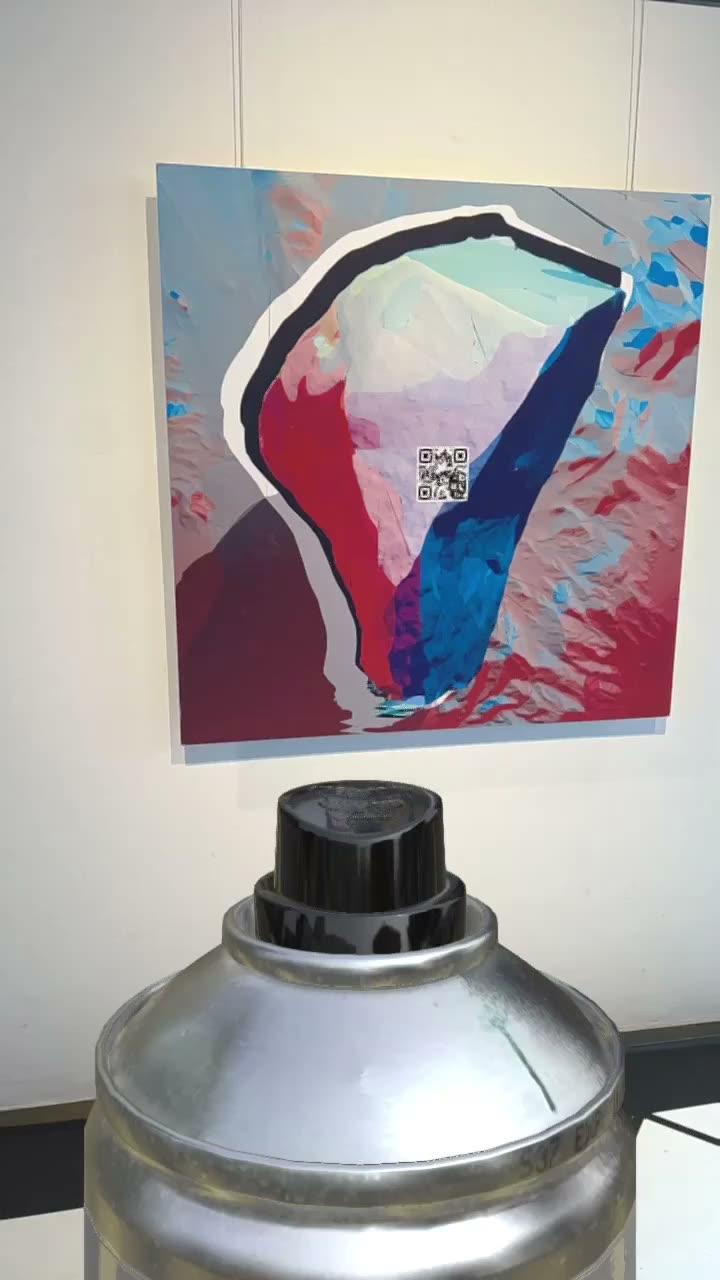
AR can turn a traditional piece of content into an interactive experience. One common use case is allowing users to try products virtually, such as glasses, cosmetics, jewellery or other products. AR can also be used for interactive games, 3D product experiences, branded effects, virtual characters, interactive storytelling and location-based activations. AR works particularly well when it is connected to something physical. For example, we have created an experience where a house that was still under construction could be presented as a 3D model through a QR code on a business card. Instead of simply looking at a printed image, the recipient could scan the code and experience the future building directly in their surroundings. This combination of print, QR codes and WebAR opens up many possibilities for brochures, packaging, business cards, posters, billboards, events and other physical touchpoints.
What is the difference between Social AR and WebAR?
Social AR is designed to be experienced directly inside social platforms such as TikTok and Snapchat, while WebAR runs through a mobile web browser. Social AR can be particularly powerful for brands that already have a strong social media following. Users can discover the experience where they already spend time, and interesting AR effects can generate additional shares, impressions and organic reach. WebAR has a different advantage: users don't need to have a specific social media app installed. A QR code or link can open the experience directly in their mobile browser, making it useful for websites, packaging, print campaigns, events, retail environments and other offline-to-online activations. The right approach depends on the campaign. If the goal is reach and social sharing, Social AR can be a strong choice. If accessibility and connecting physical touchpoints with digital experiences are more important, WebAR can be the better solution.
How much does it cost to build an AR experience?
The cost of an AR experience depends on the concept, complexity of the 3D content, interaction and platform. A relatively simple branded AR effect can be produced with a smaller budget, while more advanced experiences involving custom 3D assets, product visualisation, tracking, interactions or game mechanics require more development and production work. For Social AR, the potential reach of the platform can also make a relatively small production generate a large number of impressions and interactions, particularly when the experience is designed to encourage users to share it. For WebAR, costs depend on the complexity of the experience and the level of 3D and interactive content required. Tell us what you want to create or what budget you have in mind, and we'll tell you what is possible.
Why use AR instead of a traditional video?
AR changes the audience from a passive viewer into an active participant. A video shows someone what a product or experience looks like. AR allows the user to interact with it, place it in their own environment or experience it through their own camera. That interaction can make a campaign more memorable and gives users a reason to spend more time with the brand. It can also create content that users naturally want to share, particularly when the experience is entertaining, surprising or visually impressive. For the right campaign, AR can therefore combine brand communication, interaction and social sharing in a single experience.